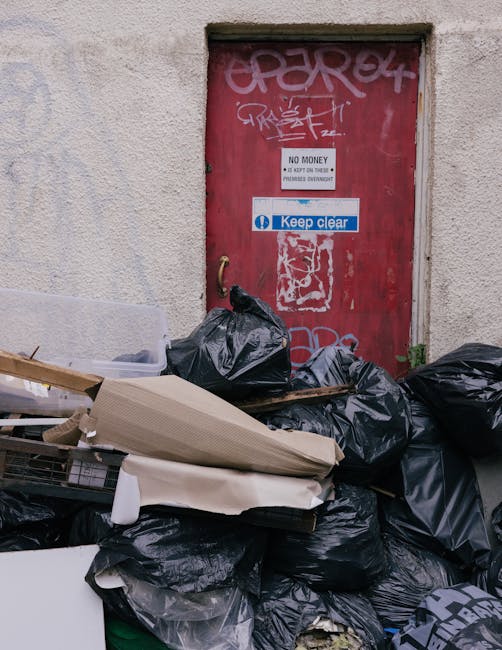
House rubbish removal Lansbury Estate Poplar: a practical guide for busy homes
If you are dealing with bags of clutter, a bulky sofa, old white goods, or a full room that has finally reached the "enough is enough" stage, house rubbish removal in Lansbury Estate Poplar can save a lot of time and stress. The job sounds simple on paper, but in real life it often involves stairs, awkward access, tight parking, and the not-so-small question of what can actually be taken away safely and legally.
This guide walks you through how the service works, when it makes sense, what to look out for, and how to avoid the usual headaches. Whether you are clearing one room after a tenancy change or tackling a proper whole-house tidy-up, you will find the practical bits here. No fluff, just the stuff that helps.
Table of Contents
- Why house rubbish removal in Lansbury Estate Poplar matters
- How house rubbish removal works
- Key benefits and practical advantages
- Who this is for and when it makes sense
- Step-by-step guidance
- Expert tips for better results
- Common mistakes to avoid
- Tools, resources and recommendations
- Law, compliance, standards and best practice
- Options, methods and comparison
- Case study or real-world example
- Practical checklist
- Conclusion
- Frequently asked questions
Why house rubbish removal in Lansbury Estate Poplar matters
Lansbury Estate has the kind of homes where everyday rubbish can build up quickly: shared entrances, narrow stairwells, compact storage, and the occasional "I'll deal with that later" corner that quietly turns into a mini landfill. To be fair, that happens in every neighbourhood. But in a busy East London setting, clutter can become more than just untidy. It can block passageways, create odours, attract pests, and make cleaning harder than it should be.
House rubbish removal matters because it restores control. A proper clearance does not just mean lifting things out. It means sorting mixed waste, separating reusable items where possible, handling bulky objects responsibly, and leaving the space ready for the next step. That might be a deep clean, decorating, a move, or simply breathing easier when you walk through the front door.
There is also a safety angle that people sometimes overlook. Old mattresses, broken furniture, loose glass, and bags of mixed waste can all become trip hazards. If you are carrying items down several flights of stairs, through communal areas, or past neighbours coming and going, the risk adds up fast. A careful removal process makes the whole job far less messy and far less stressful.
Expert summary: the best house rubbish removal is not just fast; it is organised, cautious, and respectful of the home, the building, and the people living around it.
How house rubbish removal works
Most house rubbish removal jobs follow a fairly simple pattern, though the details depend on access, volume, and what type of waste is involved. In practice, it usually starts with an assessment of what needs to go. That can be done from a description, photos, or an on-site look if the job is larger or a bit tricky.
Once the waste is understood, the next step is planning the load. This is where a good provider earns their keep. Mixed household rubbish is rarely neat. You may have bin bags, furniture, small appliances, cardboard, wood, textiles, and odd bits from cupboards or loft storage all in one go. Sorting it properly saves time and helps ensure each item is handled the right way.
On the day, the team arrives, loads the waste, and removes it without asking you to drag everything to the kerb. That part alone is a relief for many residents. If you have ever tried shifting a heavy wardrobe through a narrow hallway while trying not to chip the wall, you already know why. Some items may require special handling, especially if they are electrical, sharp, heavy, or potentially hazardous. For example, fridge and appliance removal often needs separate attention, and hazardous items should never be put into general household waste.
If your clear-out also includes furniture, there are dedicated services such as furniture clearance and mattress and sofa disposal that fit neatly into a larger home rubbish removal job. For whole-property projects, house clearance is often the more suitable option, especially when rooms need to be emptied rather than just tidied.
Key benefits and practical advantages
There are obvious benefits, and then there are the slightly less obvious ones that people only appreciate after the job is done.
- Time saved: No repeated trips to a disposal site, no waiting around, no multiple car loads.
- Less physical strain: Heavy lifting is handled for you, which matters more than people admit.
- Cleaner spaces: The home feels calmer and easier to manage once the excess has gone.
- Safer access: Hallways, landings, and doorways are cleared of trip hazards.
- Better sorting: Reusable and recyclable items can often be separated from general rubbish.
- More flexible than a skip: Particularly useful where parking is tight or access is awkward.
There is also a practical emotional benefit. Clutter has a way of hanging around in the back of your mind. A half-cleared room keeps reminding you of jobs unfinished. Once rubbish is out, the place starts to feel usable again. That sounds a bit sentimental, maybe, but it is true. A clear room is easier to clean, easier to repurpose, and easier to enjoy.
Another point worth noting: in a place like Lansbury Estate, where access can be tight and parking can be less than generous, a removal service can often be more realistic than arranging a skip. If you want to compare approaches, it is worth looking at what can go in a skip before deciding whether a skip or a direct clearance makes more sense for your property.
Who this is for and when it makes sense
House rubbish removal is not just for major renovations or dramatic clear-outs. In fact, some of the most common jobs are the everyday ones. A few examples:
- after a tenancy ends and there is leftover rubbish in cupboards, sheds, or corners
- before a move, when the house needs to be pared back quickly
- after a long period of storage and forgotten items in a loft, garage, or spare room
- following DIY or decorating work where packaging and offcuts have piled up
- when bulky items are too awkward or heavy to move without help
- for older residents or busy households who simply do not want to manage the lifting themselves
It also makes sense when the rubbish is mixed and not easy to classify. One black bag of general waste is one thing. A hallway full of boxes, broken shelving, old toys, small appliances, and a sagging mattress is something else entirely. That sort of mix is where a professional removal service is far more efficient than trying to piece it together yourself.
If the job is broader than rubbish alone, there are useful related options such as home clearance, loft clearance, and garage clearance. Those services are especially handy when the rubbish is buried under storage and you need the whole area reset.
Step-by-step guidance
If you have never booked a house rubbish removal before, the process is usually easier than you expect. Here is a sensible way to approach it.
- Walk through the property. Make a rough list of what needs to go. Include bulky items, loose bags, and anything that could need special handling.
- Separate what you want to keep. It sounds obvious, but in the rush of a clearance people often forget one drawer, one photo album, or that bag in the back room.
- Identify any special waste. Appliances, sharp objects, paint, chemicals, or anything questionable should be flagged early.
- Check access. Note stairs, parking issues, entry codes, or communal areas. A small detail here can save a lot of awkwardness later.
- Ask for a clear quote. Good pricing should reflect volume, labour, and any special disposal needs. If you want more detail, see the site's pricing and quotes information.
- Choose a booking time that gives room to work. Rushing a clearance is rarely a good idea. Morning light helps, and so does a bit of breathing room.
- Keep walkways open on the day. This makes the removal faster and safer. It also reduces the chance of knocks and scrapes.
- Do a final check before the team leaves. Look in cupboards, under beds, behind doors. People forget things there all the time. Really all the time.
For a straightforward booking route, you can use book online. And if you want to understand the wider process behind domestic clearances, the main waste removal and home clearance pages are useful companions to this guide.
Expert tips for better results
Small improvements make a big difference on clearance day. The work goes faster, the quote is usually more accurate, and the whole thing feels less chaotic.
Tip 1: group similar items together. Put bags with bags, furniture with furniture, and electrical items apart from general rubbish. It is not just tidy for the sake of it; it helps with handling and sorting.
Tip 2: be honest about volume. Underestimating how much you have is common. People say "just a few bits" and then open a cupboard full of flattened boxes, old curtains, and half a dismantled wardrobe. Happens constantly.
Tip 3: keep an eye on fragile paths. If you have narrow banisters, old paintwork, or delicate flooring, mention it. Experienced teams will work more carefully, but they need to know what they are dealing with.
Tip 4: ask what happens to reusable items. If a chair, table, or appliance can be directed towards the right next step, that is usually better than sending it straight into the mixed waste pile. The site's recycling and sustainability information gives a sense of that mindset.
Tip 5: combine jobs where sensible. If you are already clearing rubbish, it may be the right moment to sort furniture, loft items, or a garage too. One efficient visit is usually better than several small ones.
Tip 6: keep documents or valuables separate. This sounds obvious, but you would be surprised how often paperwork, keys, and even cash end up in a "to go" pile. Put those somewhere safe before the team starts.
Common mistakes to avoid
Most clearance problems come from rushing, guessing, or not explaining the job properly. A few common slip-ups are worth avoiding.
- Leaving the sorting too late: If you decide what to keep after the loading starts, the job slows down.
- Mixing ordinary rubbish with restricted items: Some things need separate handling, especially appliances and hazardous materials.
- Forgetting access details: Restricted parking or multiple flights of stairs should be mentioned early, not halfway through the quote.
- Choosing the cheapest option without checking what is included: Low quotes can look attractive until hidden extras appear. Bit of a trap, that one.
- Assuming everything can go together: General household waste, furniture, electrical items, and hazardous waste are not all treated the same way.
- Not measuring bulky items: That old wardrobe may look manageable until it meets a narrow turn in the hallway.
The simplest fix is communication. A clear description, a few photos, and a realistic idea of what needs removing will usually prevent most problems before they start.
Tools, resources and recommendations
You do not need much to prepare for rubbish removal, but a few basic tools help a lot.
- Heavy-duty bin bags for loose waste and soft rubbish
- Labels or tape to mark keep piles, recycle piles, and remove piles
- Gloves if you are moving anything sharp or dusty before the team arrives
- Step stool or torch for lofts, cupboards, or dark storage spaces
- Camera phone for quick photos when requesting a quote
If you are still deciding what type of clearance you need, these pages can help narrow it down: house clearance for larger property clear-outs, furniture disposal for individual bulky items, and fridge and appliance removal for electrical and white goods.
For readers dealing with business premises as well as domestic clutter, the separate business waste removal page is the better fit. And if the issue is a room packed with boxes after a refurb, builders waste clearance may be more appropriate.
Law, compliance, standards and best practice
Waste removal in the UK should always be handled with care, and household rubbish is no exception. You do not need to become a compliance expert to book a service, but it helps to understand the basics.
First, waste should be carried, sorted, and disposed of responsibly. A reputable provider will aim to direct items to the proper disposal or recycling route rather than treating everything as generic rubbish. Second, anything that might be hazardous must be treated differently. Paints, chemicals, sharp waste, certain batteries, and similar items should not be casually mixed in with ordinary household rubbish.
Third, insurance and safety matter. Moving bulky items in and out of homes creates risk for people and property. If a company is operating properly, it should have sensible handling methods, appropriate precautions for staff, and a clear approach to property protection. The website's insurance and safety page is a useful signpost here, along with its health and safety policy.
For privacy-sensitive clear-outs, it is also wise to separate paperwork and confidential documents. The confidential shredding service is relevant where household records, old files, or personal paperwork need secure disposal.
Best practice is straightforward: describe the waste accurately, keep restricted items separate, ask sensible questions, and make sure the clearance is being handled in a way that protects both the home and the environment. That is the standard you want.
Options, methods and comparison table
When people say "I need rubbish removed," they are not always talking about the same thing. The right solution depends on what you have, how quickly it needs doing, and whether you want lifting, sorting, and disposal handled in one go.
| Option | Best for | Pros | Watch-outs |
|---|---|---|---|
| House rubbish removal | Mixed domestic waste, bags, small bulky items | Fast, flexible, no need to move waste to the street | Needs clear description of what is included |
| House clearance | Whole rooms or multiple rooms | Better for larger or fuller properties | Can be more involved than a simple rubbish collection |
| Skip hire | DIY waste or ongoing clearing over several days | Handy if you want to fill at your own pace | Needs space, parking consideration, and loading effort |
| Furniture disposal | Single bulky items or old suites | Good for sofas, chairs, tables, wardrobes | Not ideal for mixed waste piles |
| Loft or garage clearance | Storage spaces with accumulated clutter | Targets a specific problem area | Can reveal more waste than expected once work begins |
If you are unsure where your job fits, ask yourself one simple question: is it mainly mixed rubbish, or is it a broader space-clearance problem? That answer usually points you in the right direction.
Case study or real-world example
Here is a realistic example from the kind of job many people in Lansbury Estate Poplar recognise.
A household has finished a room-by-room tidy before a family visit. The spare room has become the dumping ground for old boxes, a broken bedside unit, a tired mattress, several bags of soft rubbish, and a fridge that was replaced weeks ago but never properly dealt with. The hallway is narrow, and there is a communal entrance to consider. Nothing dramatic. Just the sort of job that quietly grows over time.
Rather than hiring a skip and hoping for the best, the family books a house rubbish removal service. They keep the paperwork and valuables separate, take a few photos, and confirm that the appliance needs appliance-specific handling. On the day, the team clears the bags, carries out the furniture, manages the mattress and fridge, and leaves the space ready for a proper clean. By lunchtime the room feels different. Lighter. Less noisy, oddly enough.
That is the real value here. Not just removing stuff, but getting a space back to being a space again.
Practical checklist
Use this quick checklist before your clearance day.
- Walk through every room and identify what is staying and what is going
- Separate valuables, documents, and anything sentimental
- Group rubbish by type if you can
- Flag any heavy, sharp, electrical, or hazardous items
- Check access, parking, stairways, and entry instructions
- Take photos if you are requesting a quote
- Confirm whether furniture, appliances, or other bulky items are included
- Make sure walkways are clear before the team arrives
- Do a final sweep of cupboards, under beds, and behind doors
- Plan what you want to do with the cleared space next
That last one is easy to skip, but it helps. A clear room without a plan can fill up again far too fast.
Conclusion
House rubbish removal in Lansbury Estate Poplar is about more than taking away unwanted items. It is about making a home feel manageable again, especially when clutter has crept up slowly and started to affect daily life. The best jobs are the ones that feel calm, organised, and properly thought through from the start.
If you keep the process simple, give accurate details, and choose the right type of removal for the job, the whole experience becomes much easier. And once the rubbish is gone, you notice the difference straight away. The light comes in better. The room feels bigger. The air feels clearer. That is not dramatic, just honest.
Get a free quote today and see how much you can save.
When you are ready, a tidy start can make the rest of the week feel less heavy. Sometimes that is all a house needs.
Frequently Asked Questions
What does house rubbish removal in Lansbury Estate Poplar usually include?
It usually covers mixed household waste, bagged rubbish, old furniture, small household items, and other general clutter that needs taking away. Exact inclusions depend on the job, so it is best to describe everything upfront.
Is house rubbish removal better than hiring a skip?
It depends on access, volume, and how much effort you want to put in. A removal service is often easier for homes with stairs, tight parking, or mixed waste. Skip hire can suit ongoing DIY work, but you have to load it yourself.
Can bulky furniture be taken away with household rubbish?
Yes, often it can, but bulky items should be mentioned in advance. Sofas, beds, wardrobes, and similar items may need separate handling or may fall under furniture clearance or mattress and sofa disposal.
What happens if I have appliances to remove as well?
Appliances should be flagged before booking because some need special handling. Fridges, freezers, and other white goods are usually dealt with under fridge and appliance removal rather than mixed general waste.
Do I need to sort the rubbish before collection?
Some sorting helps, but you do not need to make everything perfect. Grouping similar items and separating valuables or sensitive documents makes the job smoother, but the main lifting and disposal is usually handled for you.
How much notice do I need to give?
That varies by availability and job size. Smaller clearances can sometimes be arranged quickly, while larger or more complex jobs may need a little more notice. It is better to ask early than leave it to the last minute.
What if my property has difficult access?
Say so as early as possible. Narrow stairs, no lift, controlled parking, or communal entrances can all affect how the job is planned. Honest details help avoid delays and awkward surprises.
Is house rubbish removal suitable for a full property clear-out?
Yes, but if every room needs emptying, house clearance or home clearance may be the better fit. Rubbish removal is ideal for mixed waste and bulky items, while a full clearance is better for larger, more complete jobs.
Can I combine rubbish removal with loft or garage clearing?
Absolutely. In fact, it often makes sense to combine them if you are already doing a broader tidy-up. Loft clearance and garage clearance are common add-ons when the home has accumulated more than expected.
What should I do with hazardous items?
Keep them separate and mention them clearly. Hazardous waste disposal should always be handled carefully, because not everything can go in with ordinary household rubbish. Never mix chemicals or unknown items into a general load.
How do I know if a quote is fair?
A fair quote should reflect the amount of waste, the labour involved, access conditions, and any special handling. If you want more clarity, compare the service's pricing and quotes information with what you actually need removed.
What is the best way to prepare before the team arrives?
Clear walkways, separate anything you want to keep, and make sure access details are ready. A quick final check in cupboards and under furniture is always worth it. People miss things there more often than you would think.